Walk: Conflicting Ecologies (Marseille)
If the north of Marseille is segregated from the Mediterranean, the south is segregated by it. Noyaux villageois such as Mazargues and Les Baumettes are trapped with the sea to the west and south (just over the iconic coastline of the Calanques). While the north’s role as an industrial hinterland and a gateway to national and global infrastructures of trade (the Rhône river and Fos-sur-Mer port) denies it such privileged access to the coast, it dotes it with infrastructures of entry and escape – motorways and train lines penetrating rapidly into the heart of the city. The Autoroute du Soleil, the main north-south axis connecting Paris to the Mediterranean, passes right through the Quartiers Nord to end abruptly next to St Charles station.
The southern suburbs grew in a more tranquil isolation, the descendants of fishing villages and small settlements of Calanques mining workers, connected to the centre of Marseille by older infrastructures of movement such as the coast road or the main north-south boulevard. Of course, such a situation could not survive the explosion of car use, the expansion of mobility, and the growth in tourism. To ‘disenclave’ the coastal suburbs of the south, throughout the 2010s was constructed a major new motorway connecting to the Autoroute du Soleil, cutting through the eastern suburbs in a channel left open for it by a planning decree set in place nearly a century earlier.
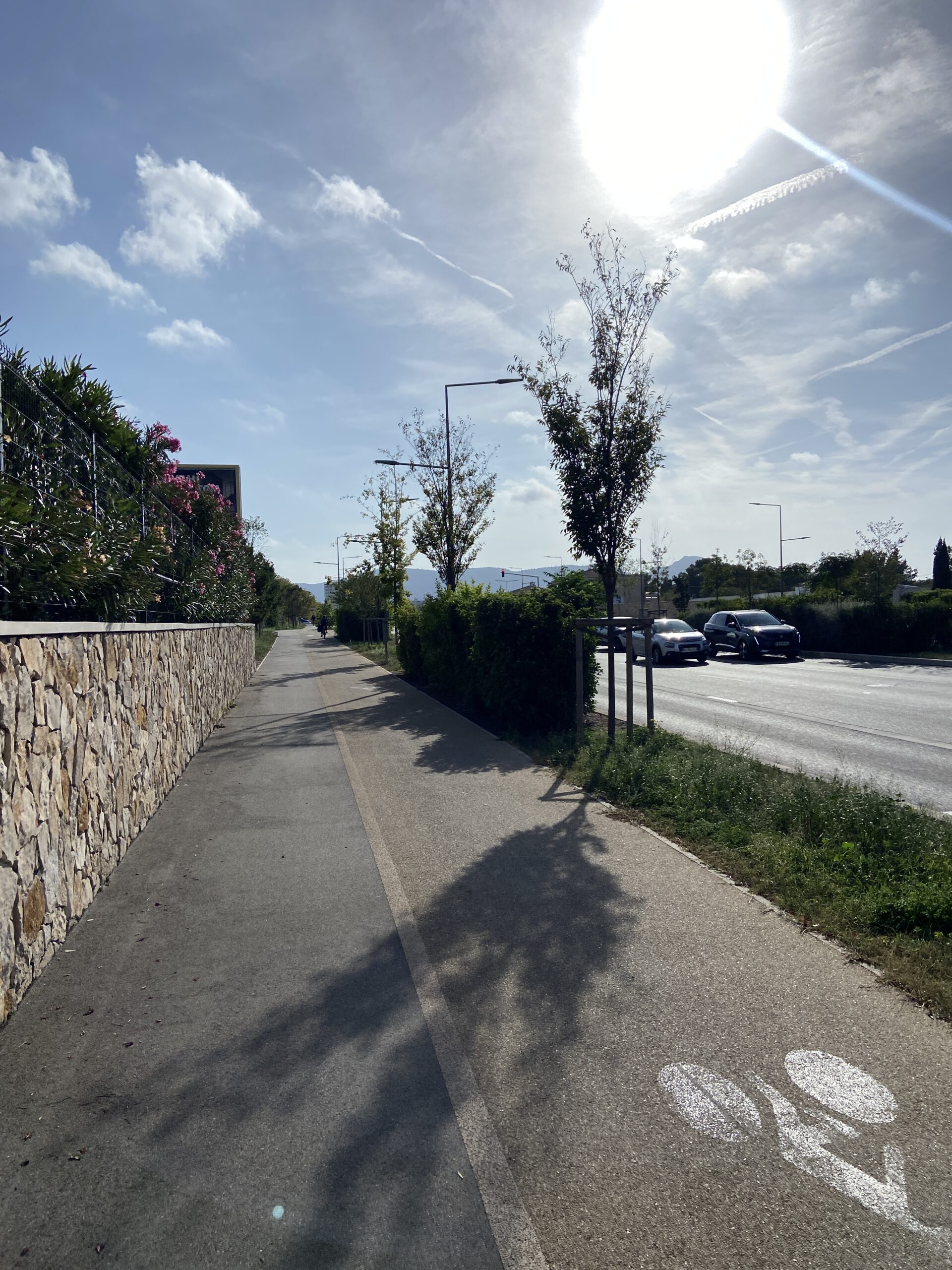
However, unlike the poor migrant neighbourhoods to the north, who had to endure a raised traffic artery at their window levels, the residents in the east and south are wealthier and more stable. As with Paris’ Périphérique, middle class citizens protested against the noise and pollution they would be subject to, winning concessions including a sinking and partial capping of the motorway. This has led to what Marseille has heralded as a new green infrastructural landscape of soft mobility and new Mediterranean planting, that I have been documenting in regular walks along its route.
Now, the metropolitan government, held by the right and responsible for a large territory including Marseille, Aix, and surrounding towns, plans to continue this infrastructure of opening almost to the southern edge of the city. The extension takes the form of the Boulevard Urbain Sud (BUS) – an updated vision of the motorway where cycle lanes and vegetal continuities are used to sell the project as a green connection. But their vision has hit up against that of a more recent Left-Green city municiaplity, who has refused to cede public land to enable the project. Their alternative proposition did not question the need for quicker access to the coast, rather the means that allow this, proposing a cycle and bus only corridor.
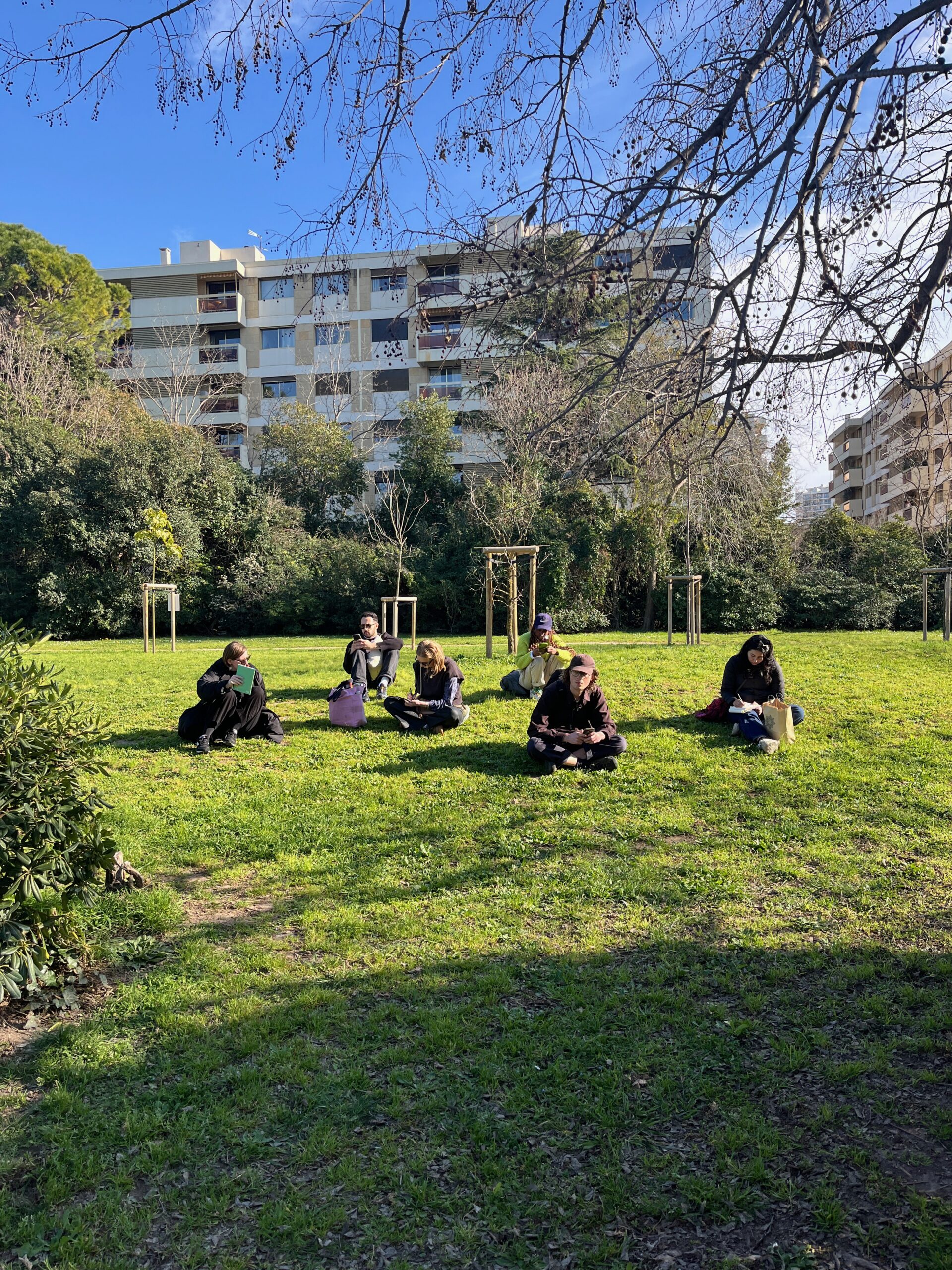
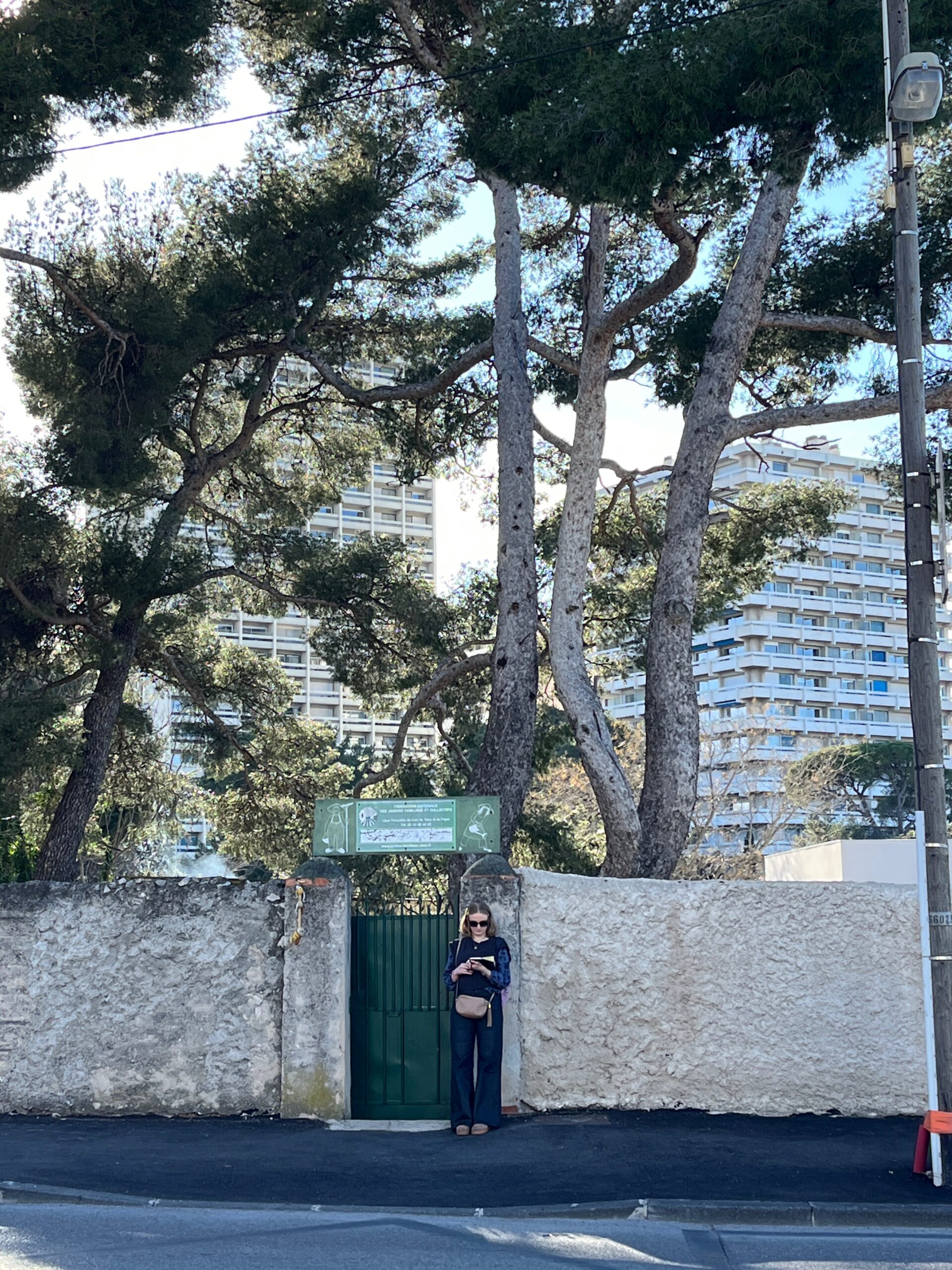
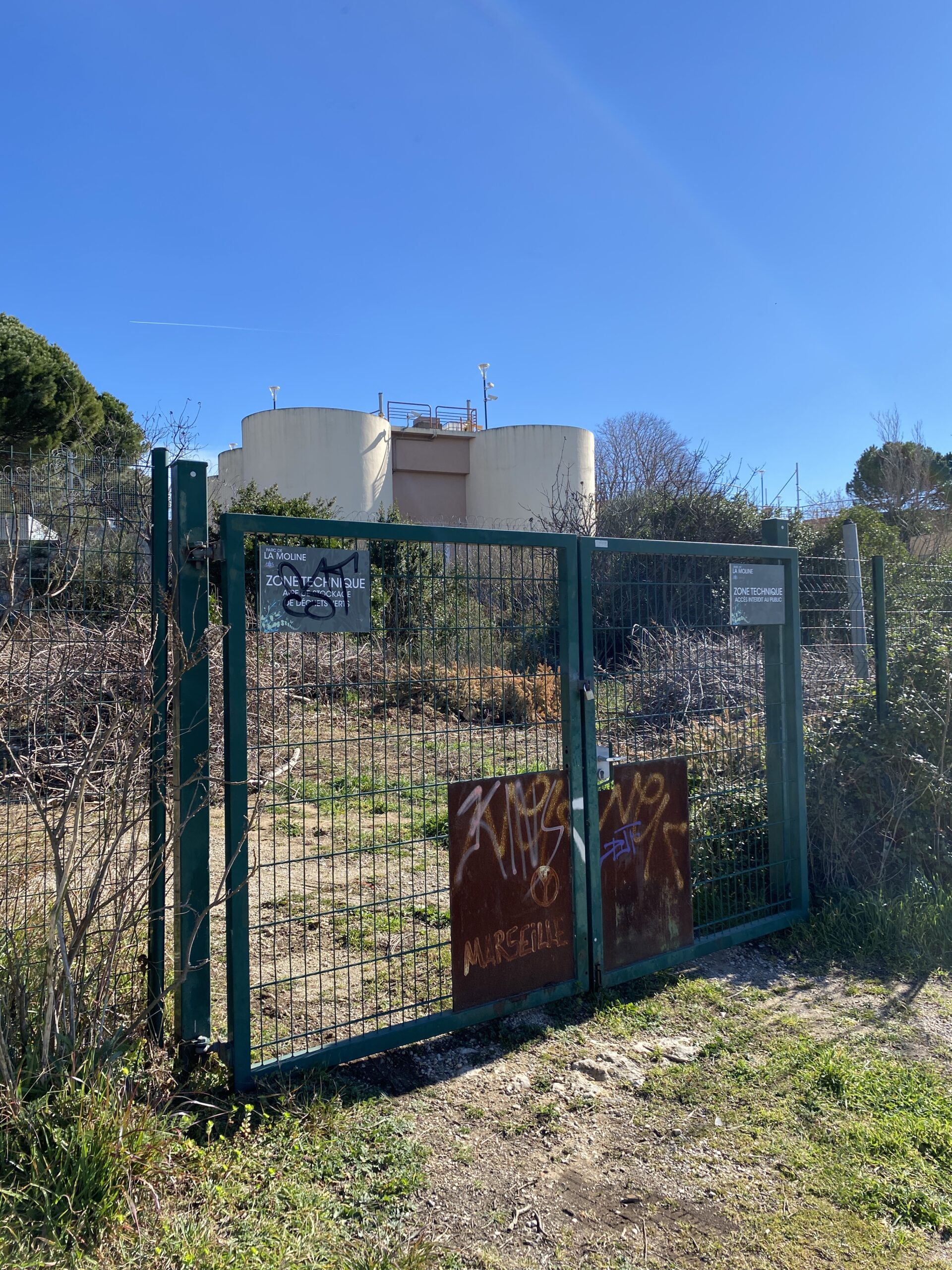
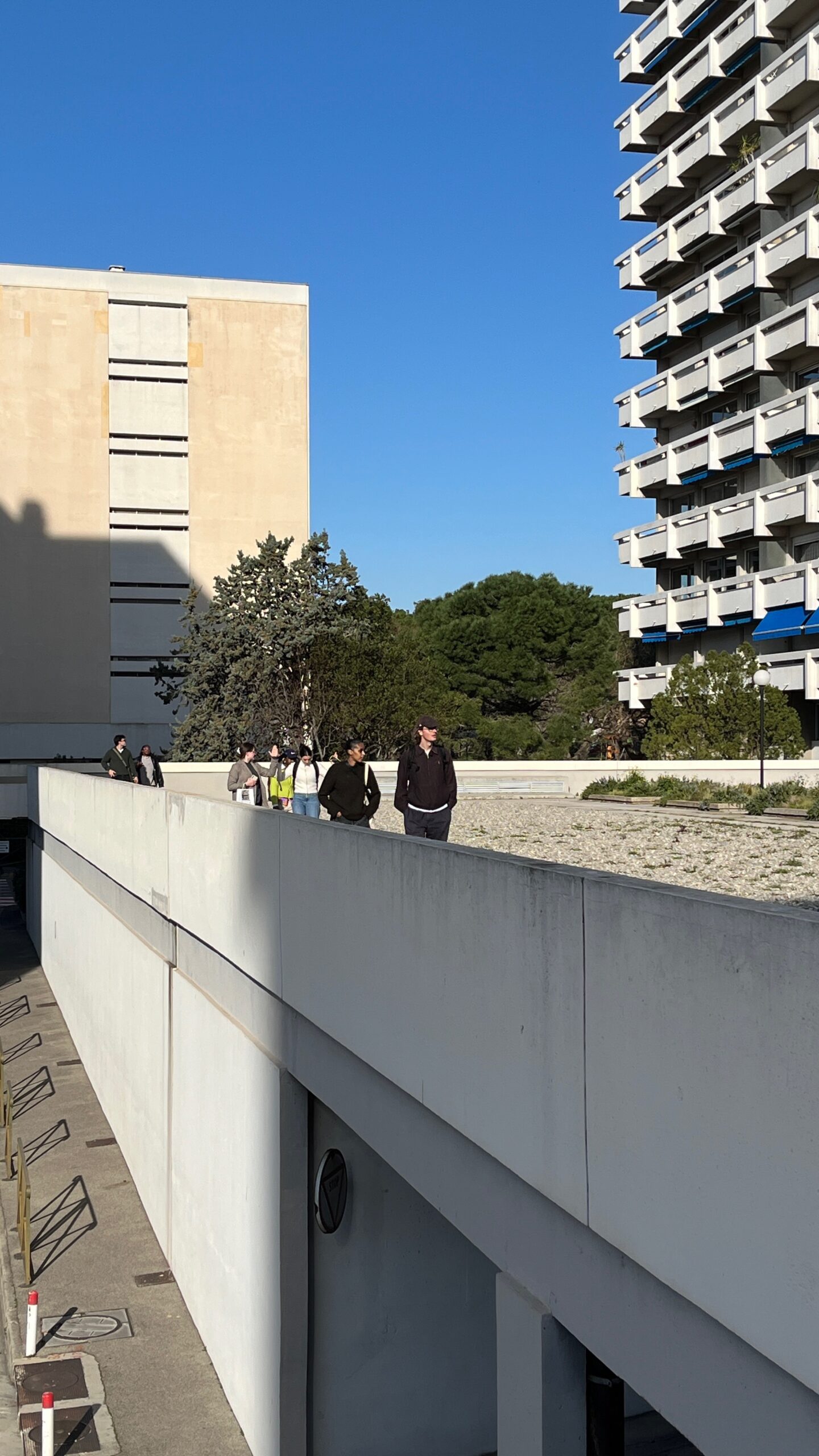
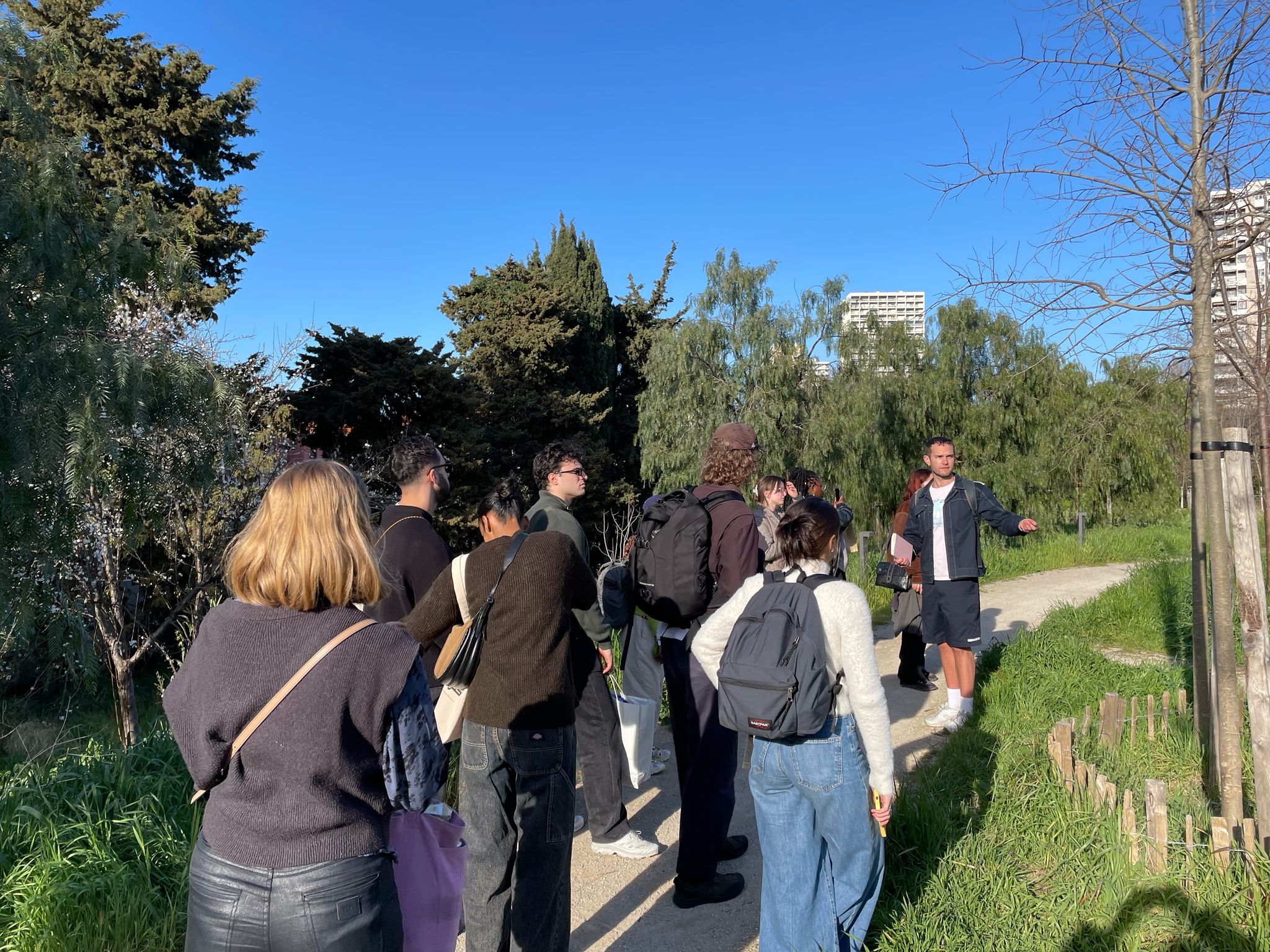
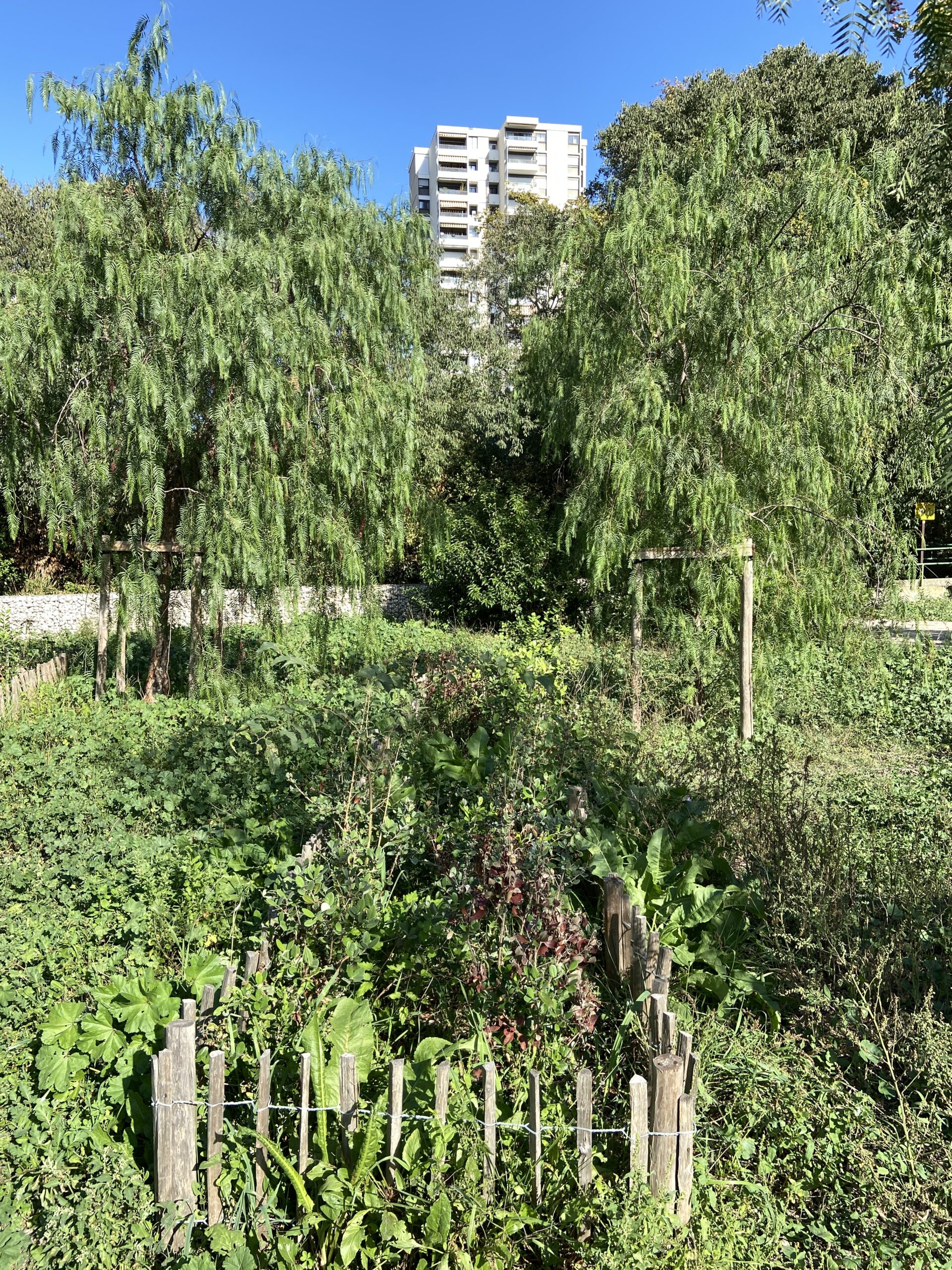
Both visions, though, entail the partial or total destruction of several unique ecologies – common, wild, and infrastructural – whose existence was allowed by the dream of the road, the route left open for it. How, now our understanding of the role of these ecologies has expanded, do we balance the tensions between the right to movement and the right to green space, between sustainable mobility and doing nothing at all. This afternoon we will walk part of the BUS as well as traces of its planned future and its alternative imaginaries.
Images