Adaptation without queer ecology?
Straightened green infrastructures and the destruction of environment-worlds in London and Paris
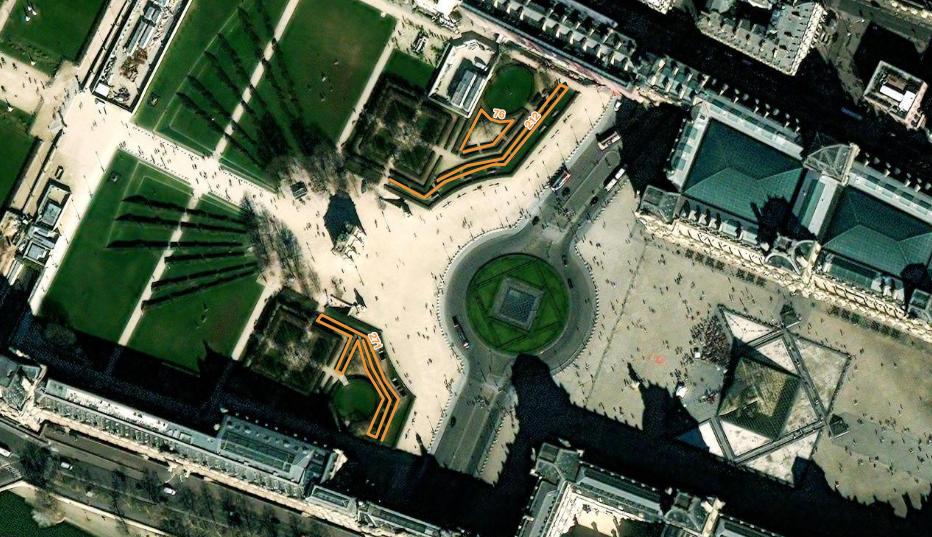
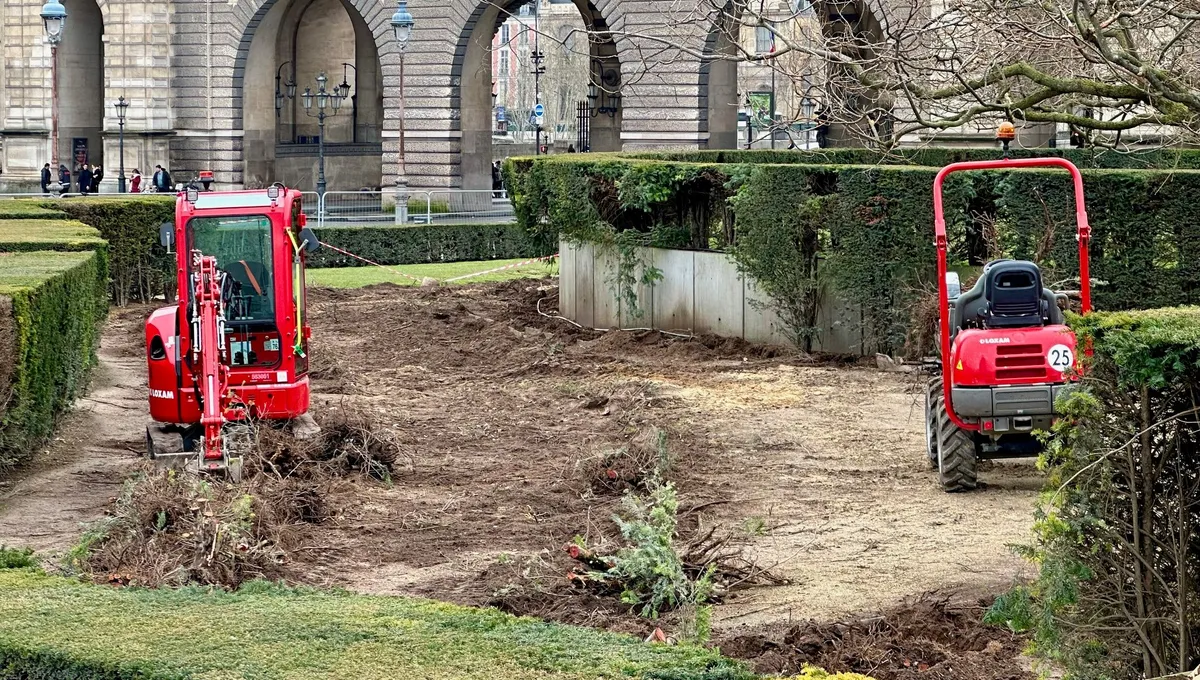
The greening of cities is driven by a combination of technical necessity and a narrow definition of wellbeing framed within a cultural, and sexual, normative perspective. Over the past decade, however, a broad range of approaches under the rubric of queer ecology have sought to expand the conceptual framework of human relationships to the non-human, as well as the basis of ecology as a political project. The starting hypothesis was that the non-adoption of these approaches risks undermining green infrastructure climate adaptation by failing to incorporate diverse urban nature imaginaries. To demonstrate this, two recent stories are recounted in which green infrastructures were spatially reconfigured by municipal authorities so as to prevent their use for public sex, damaging them ecologically in the process. A woodland area in Burgess Park, south London, that had been rewilded to support biodiversity, was violently cut back when other park users complained of sexual activity. In Paris, 500 metres of hedgerows forming two labyrinths, a popular cruising spot in the Tuileries gardens, were pulled out for the same reason.
Though these two places are ecologically and aesthetically very different, they share spatial conditions that support the presence of queer counterpublics (Warner, 2002). These two ecologies – the woodlands and the hedgerows – were not entirely destroyed but opened up or straightened out, respectively, impairing their ability to act as environment-worlds (Frichot, 2023). It appears that planning without queer ecology will continually be undermined by backlash against the unexpected inhabitation practices attracted by the dense, knotty, self-sustaining ecologies required for successful climate adaptation. A set of concepts is therefore advanced to integrate into mainstream planning practices to help protect queer environment-worlds and their ecological value.


Images