

Ecology
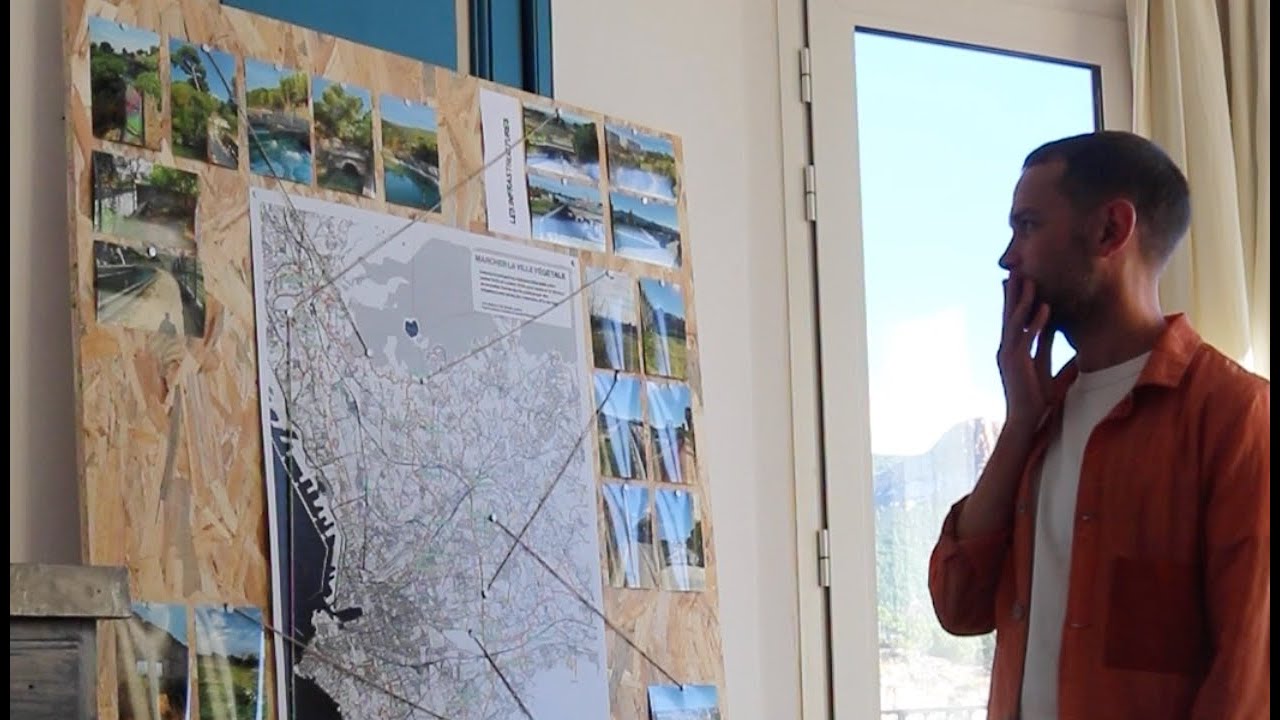
Whilst it is clear that urban ecology is essential in adapting cities to increasing heat, drought, and flooding, what is less clear is how the greening of city spaces is transforming public life. The mass planting transforming cities like Paris – driven by the framework of bioclimatic urbanism with its focus on ecosystemic solutions to climate breakdown – brings changes to the choreographies and meaning of public spaces; transforms the ways people hear, see, and encounter one another. These changes also lead to conflicts, when conflicting imaginaries of the correct ways to use and move through urban ecologies encounter one another. There are also divergent imaginaries of society driving different approaches to greening – green infrastructure versus the commons and the wilds for example – and each stages importantly different cultures of public life.
This thread in my work has looked to draw attention to these conflicts and divergences, and analyse what they mean for broader transformations to urban society in the context of climate breakdown.
-

research
Commons, Wilds, Infrastructures
-

research
Designing the Urban Commons
-

writing
Beyond Green Space
I am particularly interested in exploring how the conceptual framework of queer ecology could help drive a more just approach to urban climate adaptation, that takes into account a plurality of cultures and countercultures in its vision of public life.

