Designing the Urban Commons
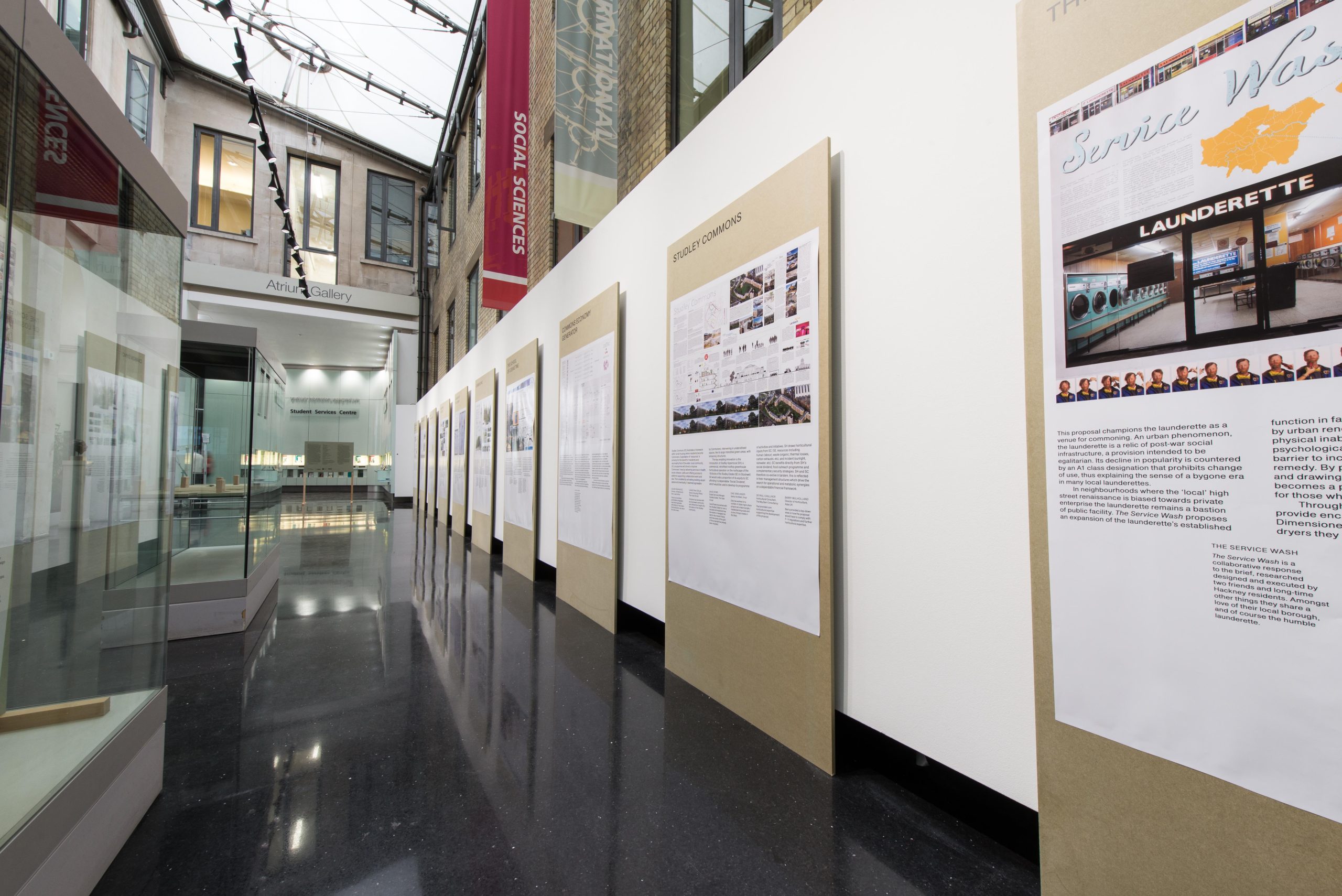
Research and organisation of a design challenge and public programme on urban commons.
The city itself should arguably be treated as a common: a collective physical and cultural creation by and for its inhabitants. However the range of activities permitted in urban spaces is becoming increasingly narrow. Many streets and squares are now managed by private owners and those held by the state are too often sanitised by public space designs that serve to enhance local property values and business rates. This leaves little possibility for the urban public to be used productively by its communities to sustain themselves materially or culturally. Where today is there space in public for people to work together to produce the city and its resources outside of market demands?
Commoning, the collective ownership and management of resources, is currently being reimagined across social, political and economic debates as a response to this challenge facing all cities today. With Britain’s rich history of common rights, London is the perfect place to test commons out as a vital approach to urban design.
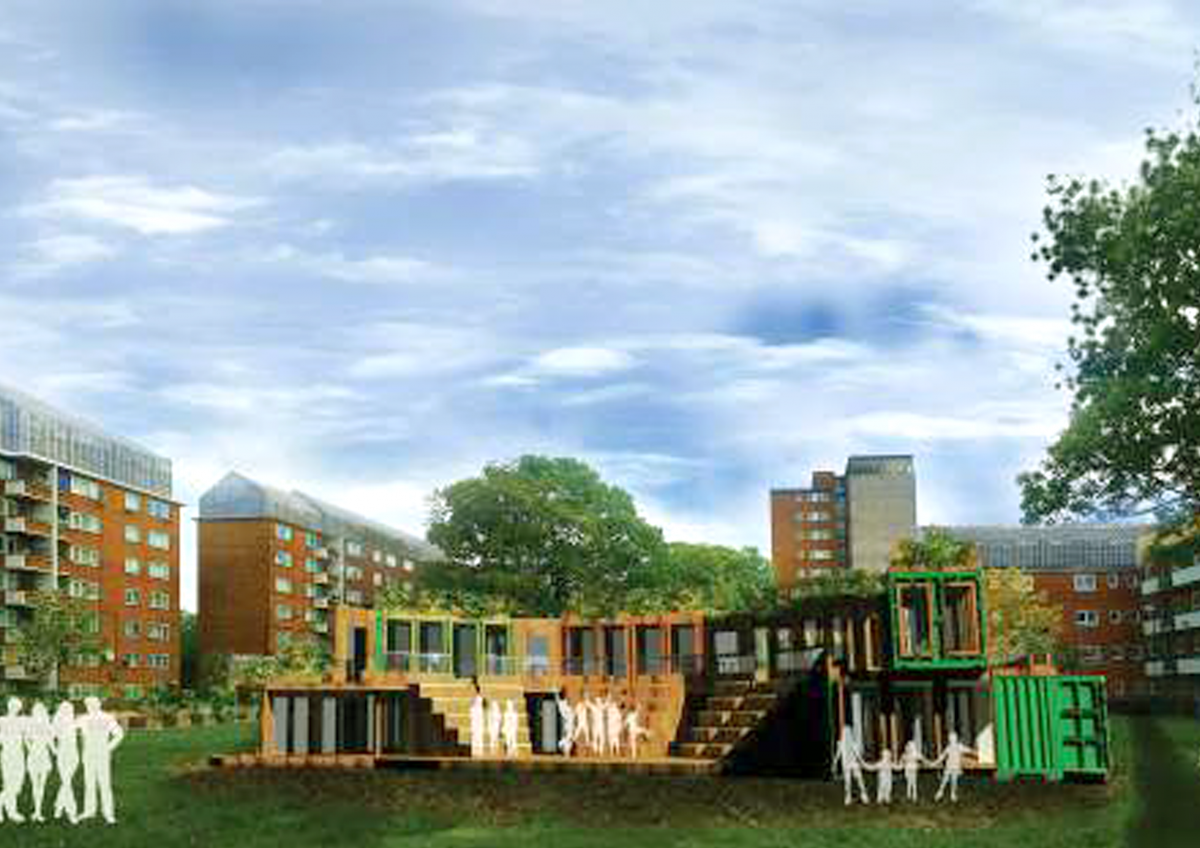
This competition asked for existing land, architecture, or infrastructures in neighbourhoods across London to be re-imagined as common spaces, or for new urban commons to be carved out in the city or online. Commons are not static pieces of architecture. The competition sought designs through which the social act of commoning could take shape, by enabling citizens to co-produce urban resources from culture & knowledge to housing, energy or democratic processes. The design itself though not the final product should be the medium through which community relationships and organisations are built.
Images